


UK Air Conditioning Installation Costs: A Buyers Guide
Introduction: Embracing Cooler UK Summers
The UK’s climate is undeniably changing. The UK, once known for its mild climate, is now facing more frequent and intense heatwaves, making air conditioning not just a luxury but an essential need for many homeowners. In 2024, as the nation grapples with rising temperatures, the demand for comfortable indoor environments is at an all-time high. The United Kingdom air conditioner market, valued at GBP £1 billion in 2024 and projected to reach GBP £1.85 billion by 2034, reflects this growing adoption [MarketResearch.com, 2025]. This comprehensive buyers guide will demystify the costs associated with air conditioning installation, empowering you to make an informed decision and invest wisely in your home's comfort and efficiency.
The Growing Need for Air Conditioning in the UK
For decades, air conditioning in UK homes was a rarity. However, this perception is rapidly shifting. The UK's annual average temperature for 2024 was 9.78°C, a significant 0.64°C above the 1991-2020 average, marking it as the fourth-warmest year on record [Carbon Brief, 2025]. This trend underscores a fundamental change, making prolonged periods of uncomfortable heat a recurring reality. On top of keeping you cool, today’s air conditioning systems - especially the ones with heat pump tech - are a great way to heat your home efficiently. They can actually cut down your dependence on the usual, sometimes pricier, heating options. This dual functionality makes them an increasingly attractive year-round investment.
What This Comprehensive Buyers Guide Will Cover
This guide is designed to provide clarity and confidence for anyone considering air conditioning installation in 2026. We will delve into the intricacies of installation costs, breaking down what you can expect to pay. You'll gain a thorough understanding of the various types of air conditioning systems available, from popular split units to integrated ducted solutions, and how their installation costs differ. We will meticulously explore the key factors that influence your quote, from system size to the complexity of the installation itself. Furthermore, we will go beyond the initial investment to examine running costs, essential maintenance, and the long-term value air conditioning can bring to your home. Finally, we will navigate the crucial UK regulations and provide smart strategies for selecting the right installer and securing the best possible prices.
Understanding Air Conditioning Costs: The Big Picture for UK Homes
The total installation cost is a combination of three key areas: the price of the equipment, the cost of skilled labour, and factors unique to your home.
The total cost of installing an air conditioning system in the UK is a complex equation, far more than simply the price tag on the unit itself. It’s a combination of the hardware, the professional labour required, and the specific demands of your property. As over a third (35%) of people who did not install energy efficiency measures in 2023 cited inability to afford upfront costs as a reason, understanding these elements is crucial for planning [Energy UK and One Home, 2024]. At Blackpool Boilers Installations, we recognise the challenge of managing these initial expenses. That's why we offer flexible credit facilities to help spread the cost of your air conditioning installation. With our tailored financing options, you can enjoy the comfort of a climate-controlled home without the financial strain of a large upfront payment. Our aim is to make the installation process as seamless and affordable as possible, ensuring you get the best value from your investment. A typical installation quote from us will incorporate all necessary components while providing payment solutions that suit your budget and needs.
What's Included in a Typical Air Conditioning Installation Quote?
A professional air conditioning installation quote should ideally be a detailed document that breaks down the overall expenditure. At a minimum, it should include:
- The Air Conditioning Unit(s): This covers the cost of the chosen indoor unit(s) and the outdoor unit.
- All Ancillary Materials: This includes refrigerant pipework, electrical cabling, condensate drain pipe, ducting if applicable, wall brackets, and any necessary fixings.
- Labour Costs: This is a significant portion of the quote, reflecting the skill and time of the qualified engineers.
- Electrical Work: This can range from connecting to an existing supply to installing a new dedicated circuit and consumer unit protection.
- Testing and Commissioning: Ensuring the system is functioning correctly and safely.
- Waste Removal: Disposal of packaging and old equipment if applicable.
- Certification: Providing necessary documentation, especially relating to F-Gas regulations.
Some quotes may also include allowances for "making good" or finishing work, which we will discuss later.
Core Components of Your Investment: Unit vs. Labour
The overall installation costs for an air conditioning system are typically split between the air conditioner unit itself and the labour involved. For a standard split system, the unit can account for 40-60% of the total cost, with the remaining 40-60% attributed to professional installation. This labour component is vital. It covers the expertise of the engineers in positioning the indoor unit and outdoor unit optimally, running the pipework and electrical connections, ensuring a secure and aesthetically pleasing finish, and performing essential system checks. Complex installations requiring longer pipe runs, more challenging drilling, or extensive electrical work will naturally see the labour portion of the quote increase.
Types of Air Conditioning Systems and Their UK Installation Costs
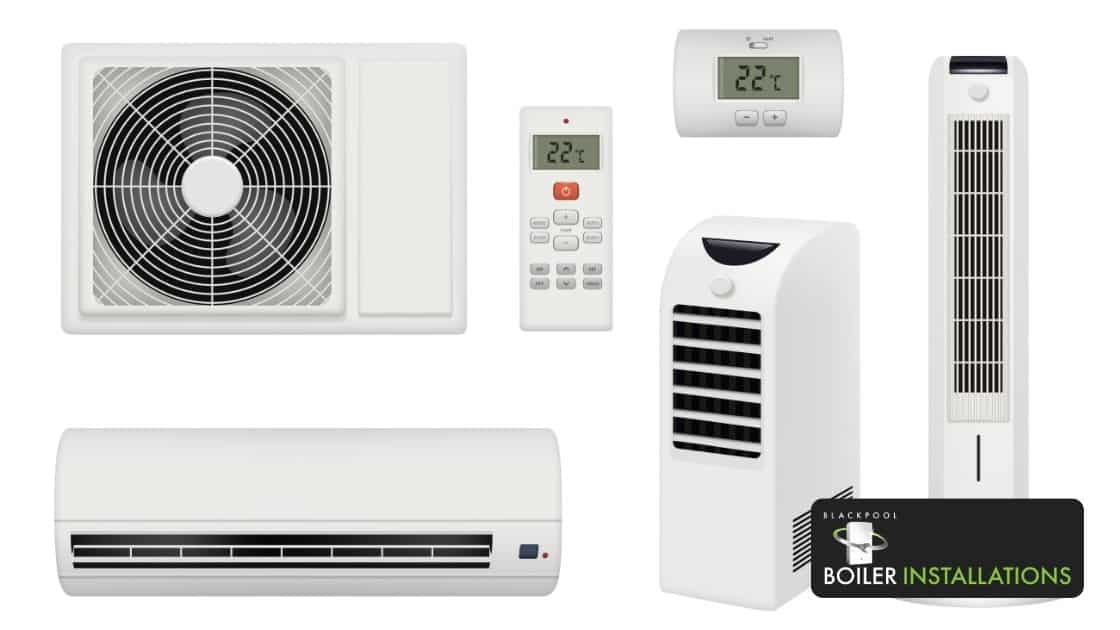
The type of air conditioning system you choose is a primary determinant of its installation cost. Each offers distinct benefits and levels of integration, influencing both the initial outlay and long-term performance.
Split Air Conditioning Systems: The UK's Most Popular Choice
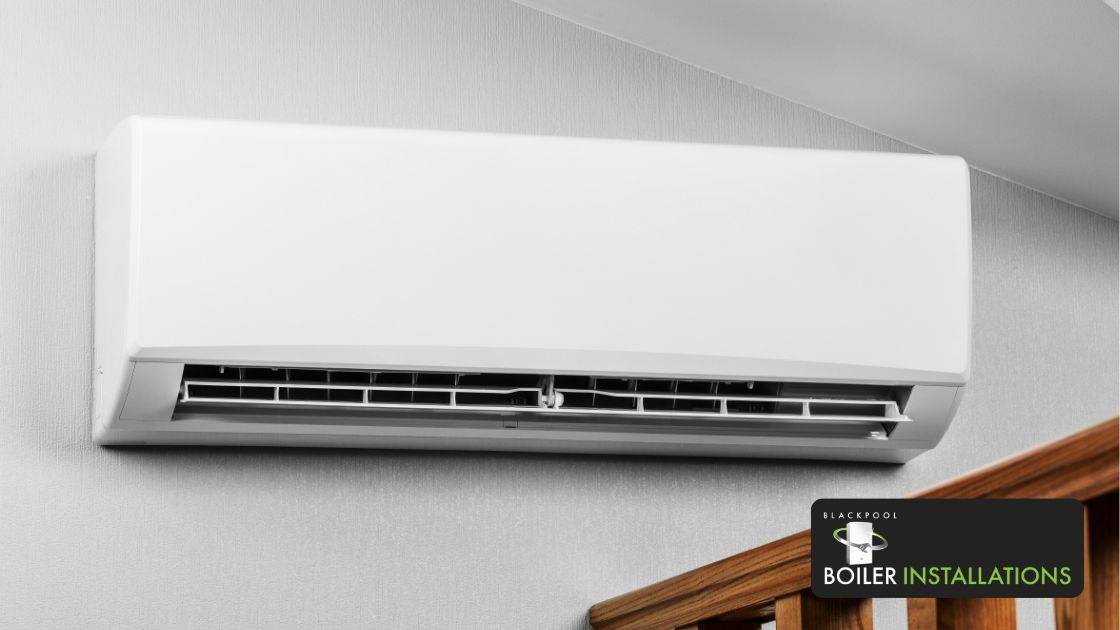
Split systems are the most common choice for residential air conditioning installation in the UK, favoured for their balance of efficiency, aesthetics, and cost-effectiveness. A single split system comprises one indoor unit (typically wall-mounted) connected via refrigerant and electrical lines to a single outdoor unit.
- Typical Installation Costs: For a single room, the installation costs for a standard split system generally range from £1,800 to £4,500 or more, depending on the unit's capacity (BTU/wattage), brand, and the complexity of the installation. Prices can start lower, with some basic wall-mounted units and simpler installations falling around £1,200-£2,500 [Home Exeter, Source 8; Midland Air Con, Source 1]. High-end brands like Mitsubishi Electric or Daikin, known for their superior performance and features, might command prices at the upper end of this spectrum.
These systems are celebrated for their quiet operation and their ability to provide targeted cooling (and heating, if it's a heat pump model) to specific areas of the home.
Multi-Split Systems: Zoned Comfort for Multiple Rooms
Multi-split systems offer enhanced flexibility by allowing multiple indoor units (typically 2-5) to be connected to a single outdoor unit. This is an ideal solution for homeowners looking to cool or heat several rooms simultaneously, providing independent temperature control for each zone.
- Typical Installation Costs: The installation costs for multi-split systems are higher than for single splits due to the additional indoor units, longer pipe runs, and increased complexity of the electrical and refrigerant connections. You can expect prices to range from £2,500 to £6,000 or more, depending on the number and type of indoor units, the capacity of the outdoor unit, and installation specifics [Home Exeter, Source 8].
Although the upfront cost is higher, multi-split systems deliver better energy efficiency for comprehensive home climate control, outperforming the operation of several separate single-split units.
Ducted Air Conditioning Systems: Whole-Home Integrated Solutions
Ducted systems represent the most integrated and discreet form of air conditioning. These systems utilise a central outdoor unit connected to an indoor air handling unit, which then distributes conditioned air through a network of ducts hidden within ceiling voids, walls, or floors. The only visible components are typically small grilles or diffusers in each room.
- Typical Installation Costs: Ducted systems have the highest installation costs due to the extensive ductwork, potential structural modifications, and complex installation process. For a residential property, prices can range significantly from £5,000 to £15,000 or even higher for larger homes or intricate designs [WarmZilla, Source 2; MyJobQuote, Source 5]. These are often best suited for new builds or major renovations where ductwork can be integrated seamlessly.
While the upfront cost is substantial, ducted systems offer unparalleled aesthetics and consistent whole-home comfort.

Portable & Window Units: Budget-Friendly Short-Term Alternatives
For those seeking a more immediate and budget-conscious solution, portable and window units offer an alternative. These units do not require permanent installation in the same way as split or ducted systems, making them a flexible option.
- Typical Costs: Portable units can be purchased for £250 to £700, and window units are in a similar range [Home Exeter, Source 8; WarmZilla, Source 2]. However, it's crucial to note that these units are generally less energy-efficient and can be noisier than permanently installed systems. Their running costs can also be significantly higher, often costing twice as much per hour to operate as a split system [Midland Air Con, Source 1]. They are best suited for temporary cooling needs or small spaces where permanent installation is not feasible.
Key Factors That Drive Your Air Conditioning Installation Quote
Several variables significantly impact the final installation costs of an air conditioning system. Understanding these factors will help you assess quotes accurately and identify potential areas for cost savings.
System Size and Cooling Capacity (BTU/Wattage)
The required cooling capacity of the air conditioner is determined by the size of the space it needs to cool, its insulation, the number of windows, and ambient temperature. This is measured in British Thermal Units (BTU) or Watts. A system that is too small will struggle to cool effectively and run constantly, increasing energy bills. Conversely, an oversized unit will cycle on and off too frequently, leading to inefficient operation and potential discomfort.
- Impact on Cost: Larger capacity units, required for bigger rooms or more demanding environments, are inherently more expensive than smaller ones. The quoted price of the unit itself will reflect its BTU rating, and a larger unit may also require a more substantial outdoor unit, impacting installation complexity and cost.
Installation Complexity: The Hidden Costs
Beyond the unit price, the complexity of the physical installation process is a major cost driver. Factors that increase complexity, and therefore cost, include:
- Pipe Run Length: The distance between the indoor unit and outdoor unit dictates the amount of refrigerant pipework and electrical cabling required. Longer runs mean more materials and more labour time.
- Accessibility: Installing units in hard-to-reach locations, such as high walls, lofts, or confined crawl spaces, will require more time, specialised equipment, and potentially scaffolding or safety measures, increasing labour costs.
- Drilling and Wall Penetration: Passing pipework and cables through solid brickwork or reinforced concrete requires specific tools and expertise, adding to the installation time and cost.
- Electrical Requirements: If your home's electrical system cannot safely support the new air conditioning system, a new dedicated circuit may need to be installed, potentially requiring an upgrade to your consumer unit. This adds significant cost.
Brand, Energy Efficiency, and Advanced Features
The choice of brand and the energy efficiency rating of the air conditioner will also influence the price. Premium brands often use higher-quality components and offer more advanced features, justifying a higher unit cost. On the flip side, air conditioners with higher SEER (Seasonal Energy Efficiency Ratio) and SCOP (Seasonal Coefficient of Performance) ratings are a bit pricier upfront. But guess what? They'll actually save you money in the long run thanks to their lower running costs!
Enhanced capabilities like Wi-Fi connectivity for remote management, smart presence sensors, superior air purification filters (such as Plasma Quad Plus), and silent operation modes can contribute to the unit's price and consequently increase the overall installation expenses.
"Making Good" and Finishing Work
A comprehensive air conditioning installation quote should ideally address the cosmetic aspects of the job. After drilling holes for pipework and mounting units, there will likely be a need for "making good" – repairing plaster, filling holes, and ensuring the walls and surrounding areas are returned to their original state.
- Cost Implications: Some quotes may include a basic level of making good, while others might consider it a separate, additional cost. If you require a high standard of finish, such as re-painting or re-carpeting, this will significantly increase the overall project cost. Always clarify what is included in the quote regarding finishing work.
Beyond Installation: Running Costs, Maintenance & Long-Term Value
The initial installation cost is only part of the financial picture when investing in an air conditioning system. Understanding the ongoing running costs, the importance of maintenance, and the potential long-term value is crucial for a sound investment.
Understanding Your Air Conditioning Running Costs
The running costs of an air conditioner are primarily influenced by its energy efficiency rating and the prevailing electricity prices. Modern heat pump air conditioning systems are remarkably efficient for both cooling and heating. For heating, a 2.5kW air conditioning unit can cost approximately 37 pence per hour to run, significantly less than a traditional combi boiler which might cost around £1.80 per hour [Midland Air Con, Source 1]. This highlights the potential for substantial savings on energy bills, especially for homes that rely heavily on electric heating.
The SEER and SCOP ratings are key indicators. A higher SEER (for cooling) or SCOP (for heating) signifies greater efficiency and lower energy bills. For example, using air conditioning for heating can lead to savings of up to 40% on energy bills compared to other heating methods [Midland Air Con, Source 1].
Essential Maintenance for Longevity and Efficiency
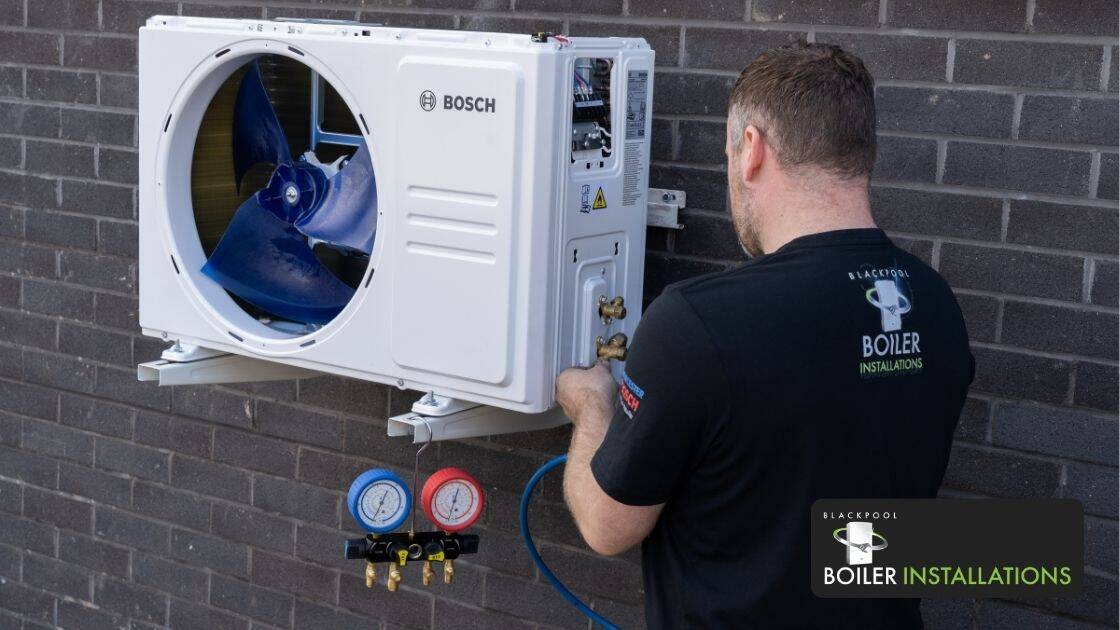
Regular maintenance is vital for ensuring your air conditioning system operates at peak energy efficiency and enjoys a long lifespan. Neglecting maintenance can lead to reduced performance, higher running costs, and potential system failures.
- Filter Cleaning: The filters within the indoor unit capture dust, pollen, and other airborne particles. These should be cleaned regularly (typically every 1-3 months, depending on usage) to maintain airflow and air quality. Dirty filters force the unit to work harder, increasing energy consumption.
- Annual Servicing: Professional annual servicing is recommended by manufacturers and is often a requirement to keep your warranty valid. This involves a qualified technician checking refrigerant levels, cleaning coils, inspecting electrical components, and ensuring the system is running optimally. This service typically costs between £100–£200 per year [Heatable, Source 4]. Adhering to F-Gas regulations also necessitates servicing by certified professionals.
The Value Proposition: Does Air Conditioning Add Value to Your Home?
Beyond immediate comfort, investing in a quality air conditioning system can enhance your property's value. Over half (57%) of UK consumers in a 2023 survey indicated they would pay more for a house with renewable or low-carbon energy sources, such as heat pump systems, which are often integrated into modern AC units [Uswitch, 2024]. A well-installed and energy-efficient air conditioning system can be a significant selling point, appealing to modern buyers who prioritise comfort and sustainability. Moreover, the UK's smart air conditioning sector is witnessing significant expansion, with projections estimating it will reach GBP 1,957.6 million by 2030. This growth reflects a rising consumer appetite for intelligent and connected climate control solutions [P&S Intelligence, 2025].
Navigating UK Regulations: Planning Permission, Building & F-Gas Compliance
Understanding these is crucial to avoid unexpected costs or delays. Setting up an air conditioning system in the UK means you'll need to follow certain rules to keep everything safe, environmentally friendly, and legally sound.
Planning Permission for Outdoor Units
In most cases, the outdoor unit of a split or multi-split air conditioning system does not require planning permission. However, there are exceptions. If your property is a listed building or located within a conservation area, you may need specific consent. Additionally, if the unit is to be placed on the front of your house, is particularly large, or positioned in a way that could cause a nuisance to neighbours (e.g., noise or visual impact), planning permission might be necessary. Always check with your local authority if you are in doubt.
Building Regulations and Your Installation
All electrical work associated with your air conditioning installation must comply with UK Building Regulations. This ensures the work is safe and meets stringent standards. Using a qualified installer who is registered with an appropriate scheme (like NICEIC or NAPIT) will guarantee that the electrical work meets these requirements and that the relevant certifications are provided.
F-Gas Regulations: A Crucial Compliance Overview
The F-Gas Regulation (Fluorinated Greenhouse Gases) is a critical piece of legislation designed to reduce emissions of potent greenhouse gases, including those used as refrigerants in air conditioning systems.
- Qualified Installers: As of January 2015, only engineers holding an F-Gas certification are legally permitted to install, service, maintain, and decommission air conditioning systems that contain fluorinated greenhouse gases. This is non-negotiable and is a key reason why professional installation is mandatory.
- System Integrity: The regulations also stipulate proper handling and containment of refrigerants. Your installer will ensure the system is correctly charged and that no refrigerant is leaked into the atmosphere.
- Impact on Costs: While F-Gas compliance might slightly increase labour costs due to the requirement for certified professionals, it ensures a safe, legal, and environmentally responsible installation. It also means your air conditioner will be installed and maintained to high standards, contributing to its longevity and energy efficiency.
Smart Strategies to Save Money and Choose the Right Installer
Navigating the world of air conditioning installation costs requires a strategic approach. By following these tips, you can ensure you get the best value and a system that perfectly suits your needs.
Getting Multiple Quotes and Understanding Pricing
The single most effective way to manage installation costs is to obtain at least three detailed quotes from reputable air conditioning installers. When comparing quotes:
- Scrutinise Inclusions: Ensure each quote specifies the exact air conditioner model, its capacity (BTU/wattage), all materials, labour, electrical work, and any finishing ("making good").
- Beware of Vague Quotes: If a quote is overly vague or significantly lower than others, investigate why. It might indicate cut corners, lower-quality components, or excluded work.
- Understand the 'Why': Ask installers to explain their recommended system and the reasoning behind their proposed installation plan. This can reveal their expertise and help you identify the best fit for your home.
Exploring Payment Options and Potential Savings
While upfront costs can be a barrier, there are ways to manage them. Some installers offer payment plans or financing options, spreading the installation costs over a period. To make the most of your air conditioning installation budget, consider timing your purchase during off-peak seasons like autumn or spring. Although pricing fluctuations aren't as dramatic as other home services, these quieter periods can sometimes offer you greater availability and even more competitive pricing from installers, ensuring you get the best deal without the summer rush.
What to Look for in a Professional AC Installer
Choosing the right installer is as critical as choosing the right air conditioner. A skilled and reputable installer ensures the system is fitted correctly, operates efficiently, and complies with all regulations, ultimately saving you money and hassle in the long run. Look for:
- F-Gas Certification: This is a legal requirement.
- Relevant Qualifications: Such as those from NICEIC or equivalent bodies for electrical work.
- Experience: Proven track record in domestic air conditioning installation.
- Insurance: Public liability insurance for peace of mind.
- Professionalism: Clear communication, punctuality, and a willingness to answer your questions.
- Customer Reviews: Check online reviews and testimonials.
A Checklist for Hiring Your AC Installer
To ensure you make the best choice, use this checklist:
- Verify F-Gas Certification: Ask for proof.
- Check Qualifications: Ensure they are competent in electrical work.
- Request References/Reviews: See what previous clients say.
- Obtain Detailed Written Quotes: Compare like-for-like.
- Clarify All Inclusions: Unit, materials, labour, electrical, making good.
- Discuss Warranty: Understand the coverage for both the unit and the installation labour.
- Ask About Call-Out Policies: What happens if issues arise post-installation?
- Ensure They Provide Documentation: Service reports, electrical certificates, F-Gas certificates.

Conclusion: Making the Right Air Conditioning Investment
Investing in an air conditioning system in the UK is no longer a distant luxury but a practical solution to a changing climate. While the installation costs can seem substantial, they represent a significant investment in your home's comfort, efficiency, and value. By understanding the different system types, the factors that influence prices, and the importance of professional installation and ongoing maintenance, you can navigate this process with confidence. Keep in mind that opting for a carefully selected and professionally installed air conditioner, particularly one equipped with advanced heat pump technology, can significantly slash your energy bills and transform your living space into a comfortable haven all year round. Always prioritise F-Gas certified professionals, obtain detailed quotes, and consider the long-term benefits beyond the initial outlay. Taking these steps will ensure your investment delivers cool comfort and efficient climate control for years to come.
🌟 Breathe Easy with Expert Air Conditioning Installations! 🌟
Ready to transform your home into a cool and comfortable sanctuary? Our expert team at Blackpool Boiler Installations specialises in reliable and efficient domestic air conditioning installations. With our top-of-the-line products and unparalleled service, you can enjoy the perfect indoor climate all year round.
👉 Don’t Wait! Beat the Heat Today! Click here to schedule your FREE consultation and discover the best air conditioning solution for your home. Let's bring comfort to your fingertips!


